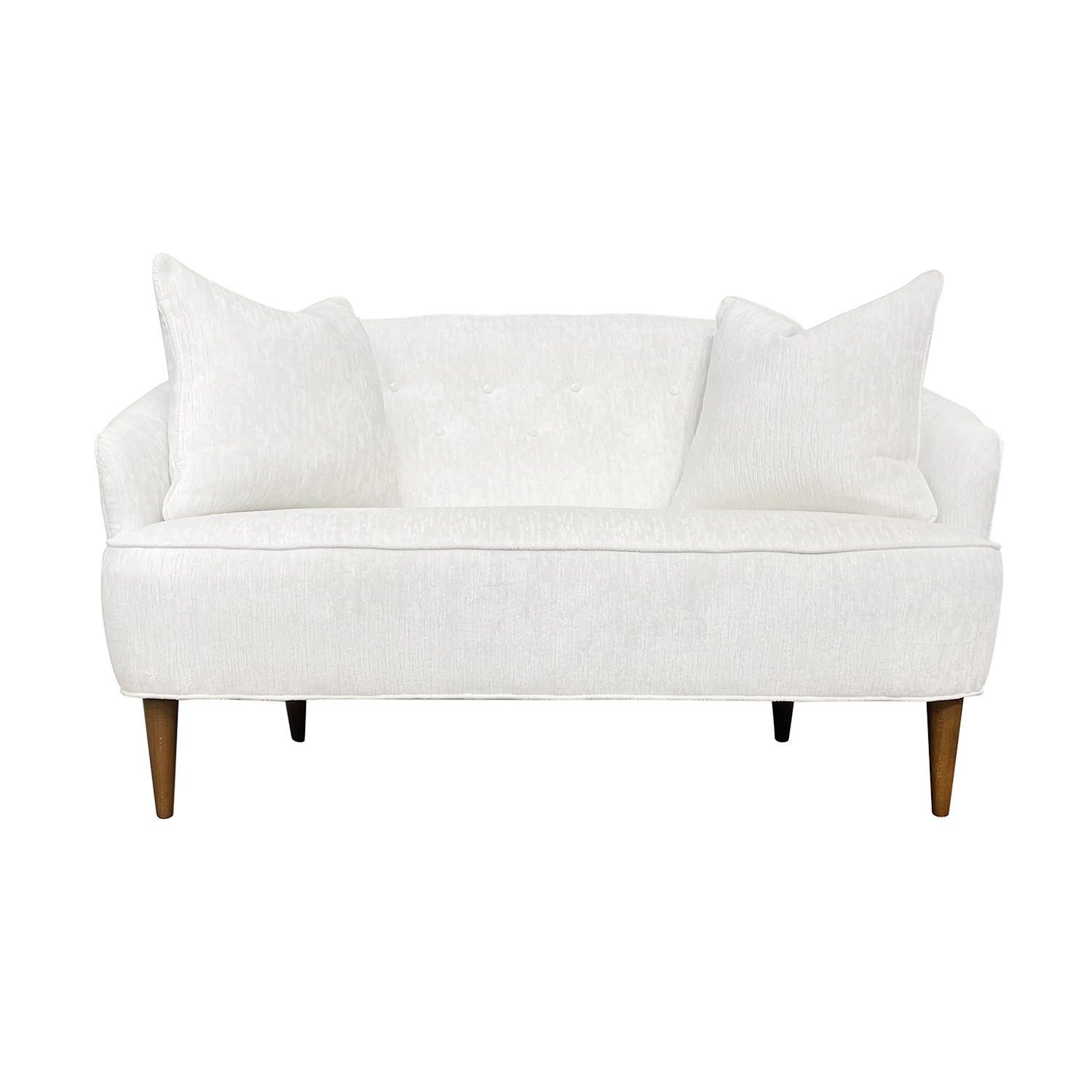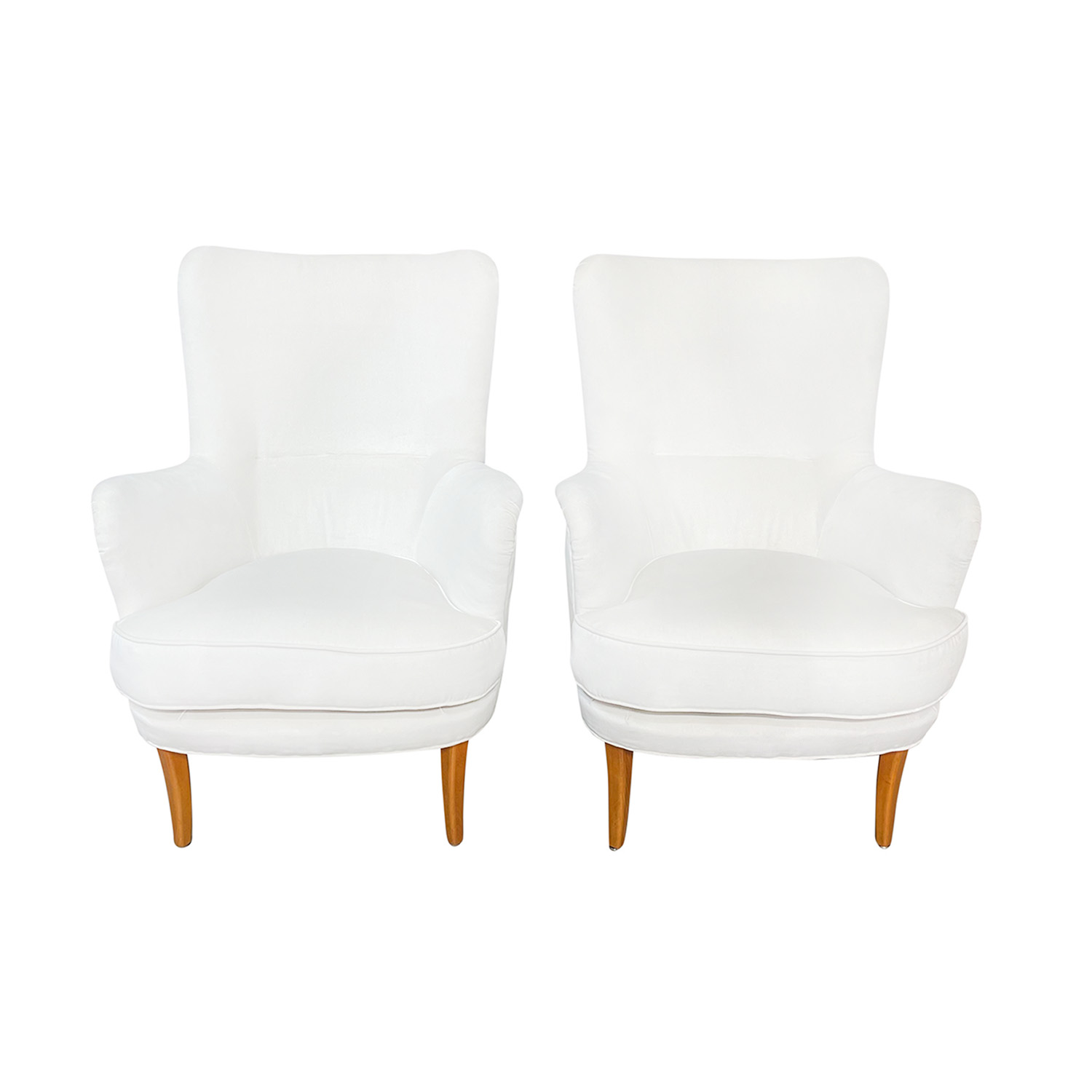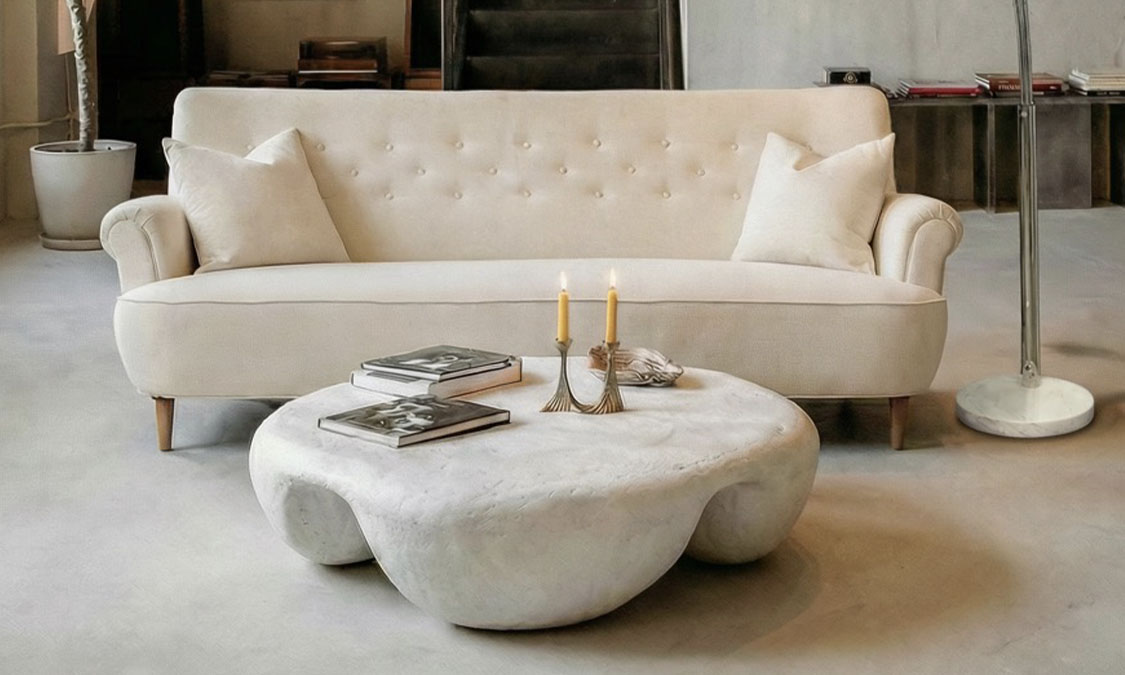
Carl Malmsten
The Quiet Revolutionary
In the pantheon of Scandinavian design masters, Carl Malmsten occupies a singular position: neither fully modernist nor traditionally bound, he charted a third path that would prove more enduring than either extreme. While his contemporaries raced toward the austere geometries of functionalism, Malmsten remained steadfast in his belief that furniture should speak to the human spirit, not merely serve the human body. His work, rooted in Swedish craft traditions yet unmistakably of its moment, created a vernacular of warmth and livability that feels as relevant in today’s interiors as it did in the studios of mid-century Stockholm.
Born in 1888, Malmsten came of age during a pivotal moment in Swedish cultural history, when the nation was rediscovering its own design heritage while simultaneously absorbing international modernist influences. He studied under Carl Bergsten and quickly established himself not just as a furniture maker, but as a design philosopher who believed that good furniture should be “a friend for life.” This wasn’t mere marketing poetry; it was a manifesto. His furniture workshop, established in 1930, became a laboratory for this humanist approach to modern living.
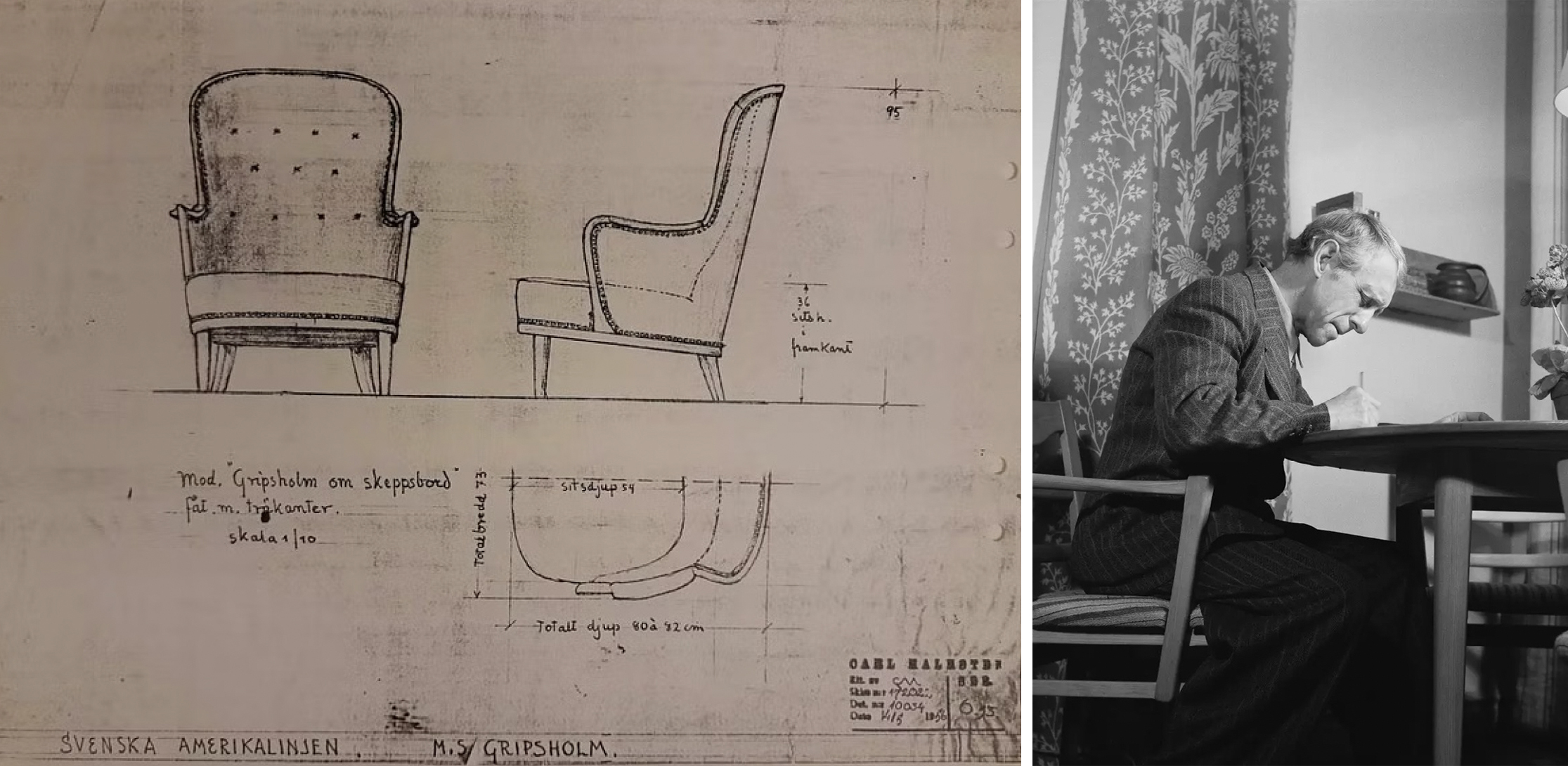
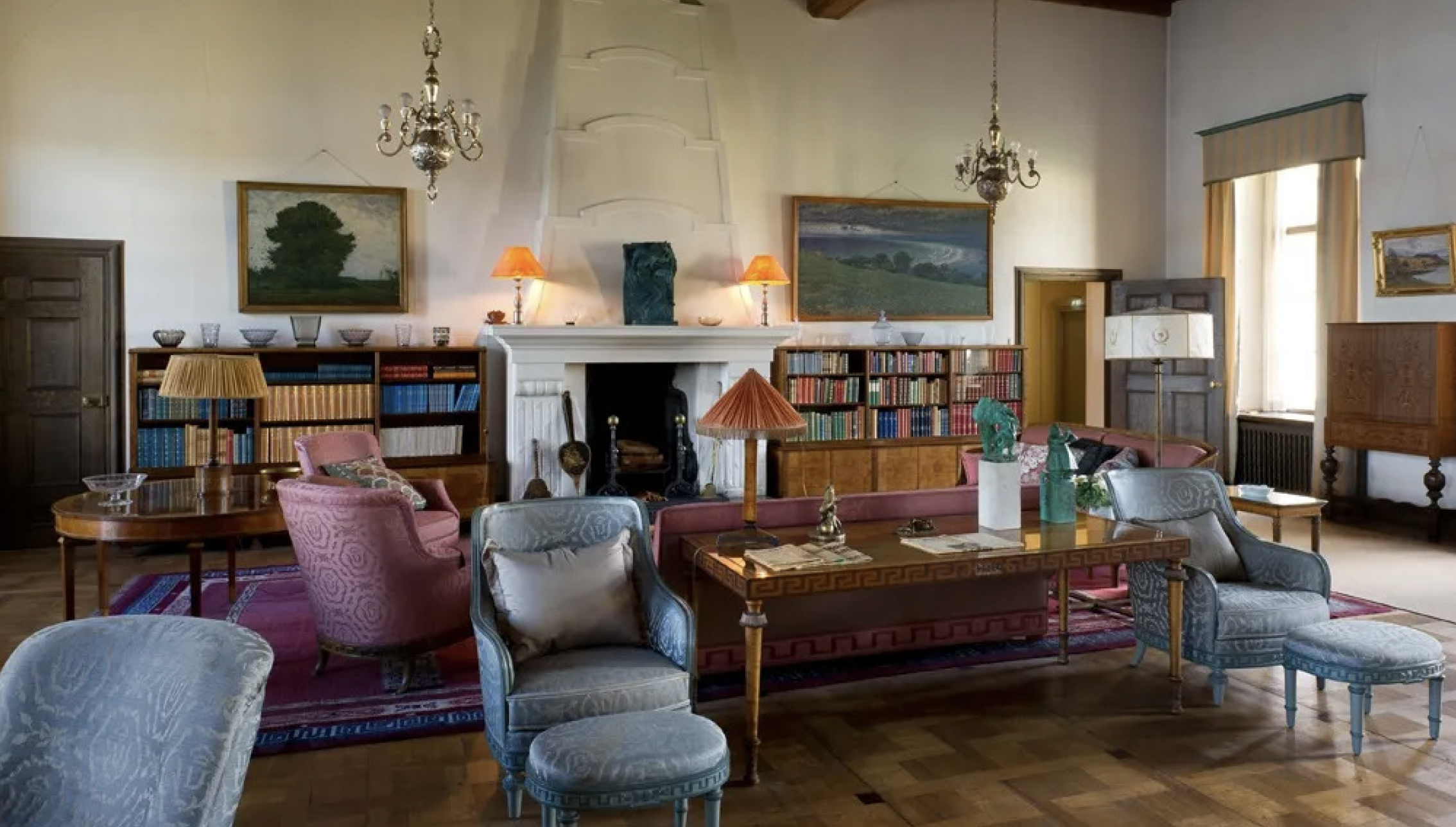
What distinguished Malmsten’s work was its refusal to choose between heritage and innovation. His chairs, those graceful, organically curved masterpieces, drew from Windsor traditions and Swedish farmhouse vernacular, yet were utterly contemporary in their refinement and restraint. The famous “Farmor” chair of 1943, with its gently splayed legs and embracing backrest, exemplifies this synthesis: ancestral in spirit, modern in execution, timeless in appeal.
His influence extended far beyond his workshop’s output. As an educator, founding a furniture school that bore his name, Malmsten shaped generations of Swedish craftspeople, instilling in them his conviction that quality and care were inseparable from design. He viewed the modernist obsession with industrial production with skepticism, not from Luddite impulses, but from a deeper understanding that certain values could not be automated without loss. Proportion, joinery, the relationship between maker and material: these were principles worth preserving.
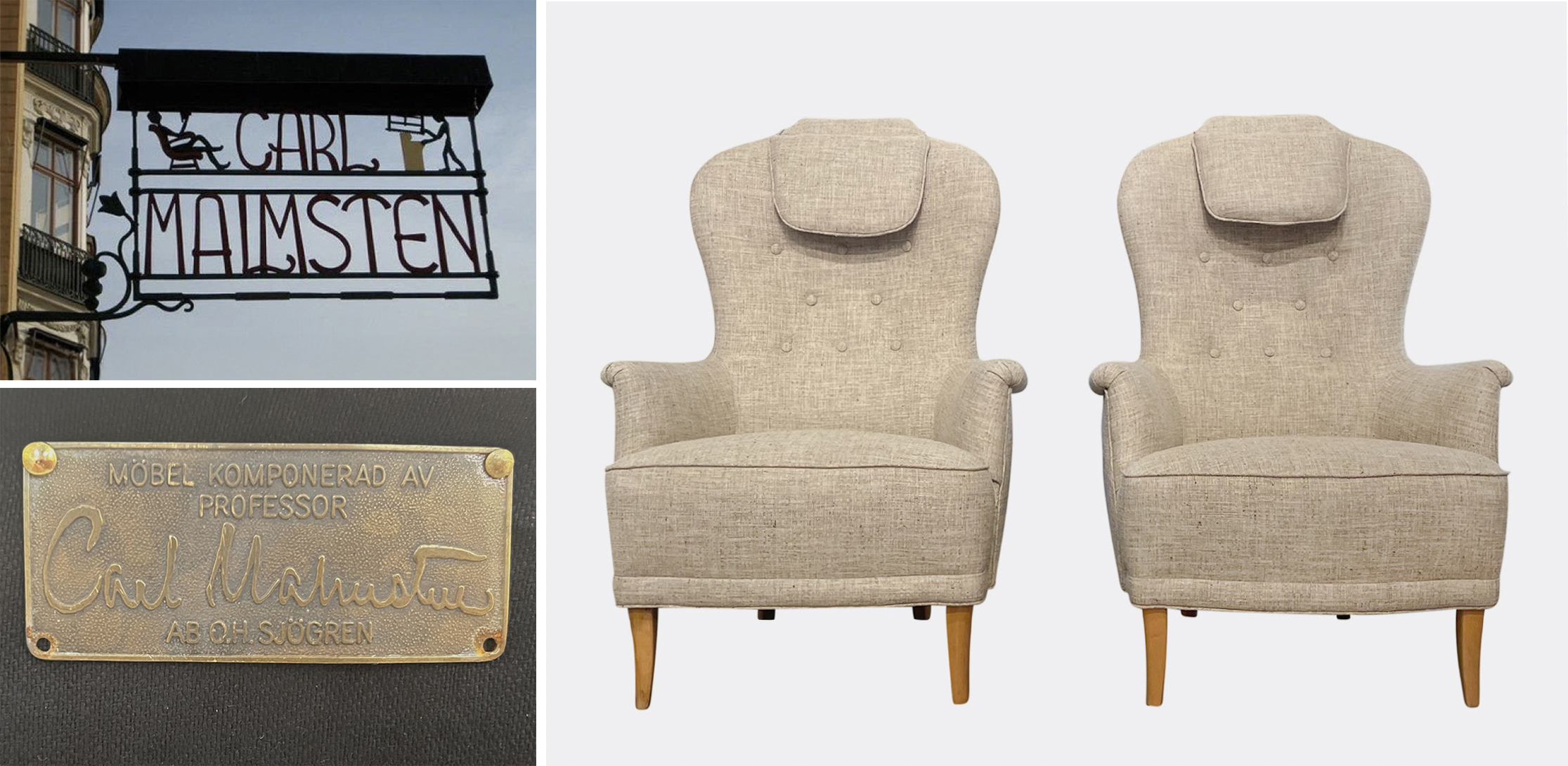
The irony of Malmsten’s legacy is that his resistance to modernist dogma has made his work more, not less, relevant to contemporary collectors. In an age saturated with disposable design and algorithmic aesthetics, his furniture offers something increasingly rare: a sense of rootedness, of thoughtful evolution rather than disruptive innovation. These pieces work beautifully in minimal interiors precisely because they bring the warmth that stark modernism often lacks, yet they never feel precious or overly decorative.
Today, as the market for mid-century Scandinavian design continues to mature, Malmsten’s work is finally receiving the international recognition it has long deserved. His pieces appear in the most discerning collections, prized not as nostalgia objects but as living examples of design that transcends its moment. AP Mid Century Modern’s curated selection offers collectors the opportunity to live with these quiet masterpieces, each piece a testament to the enduring power of craft, conviction, and the belief that how we furnish our homes is ultimately a question of how we choose to live. •